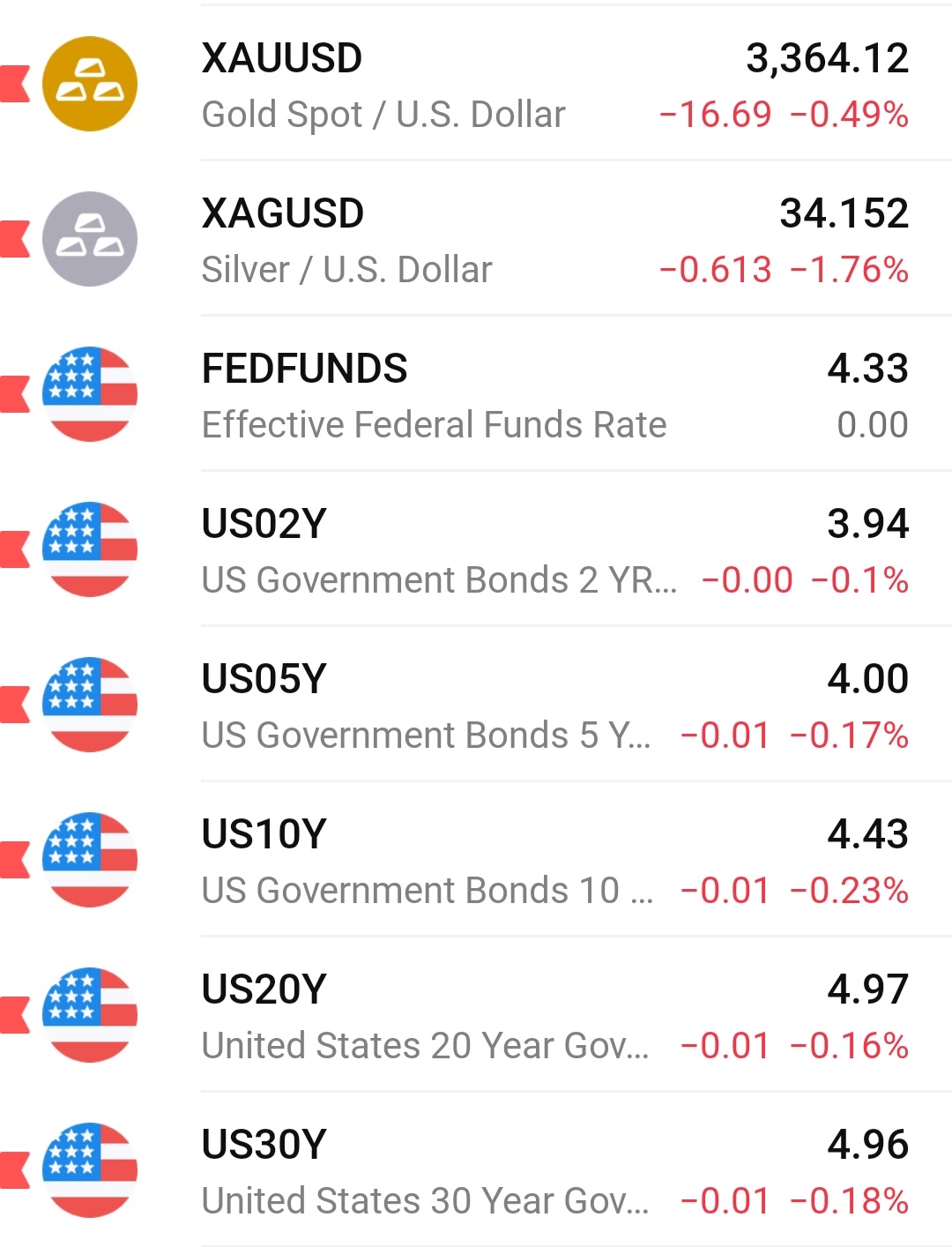
Woke up like this in the morning. What’s so special about this setup? Well, historically real rates (interest rate-inflation) has had a negative correlation with gold prices. Well, that is till 2022. So, what gives?
The Traditional Playbook
Gold and real interest rates typically move inversely due to opportunity cost. When TIPS yields rise, gold—a non-yielding asset—becomes less attractive relative to inflation-adjusted alternatives. This relationship has historically driven gold allocation decisions.
However, the correlation has always been weak (~28% since 1970), suggesting other factors frequently override rate dynamics.
The Anomaly: May 2022 - May 2025
Real Rates: 10-Year TIPS yields surged from -1.26% (Dec 2021) to ~2.10% (June 2025)—a 336 basis point move.
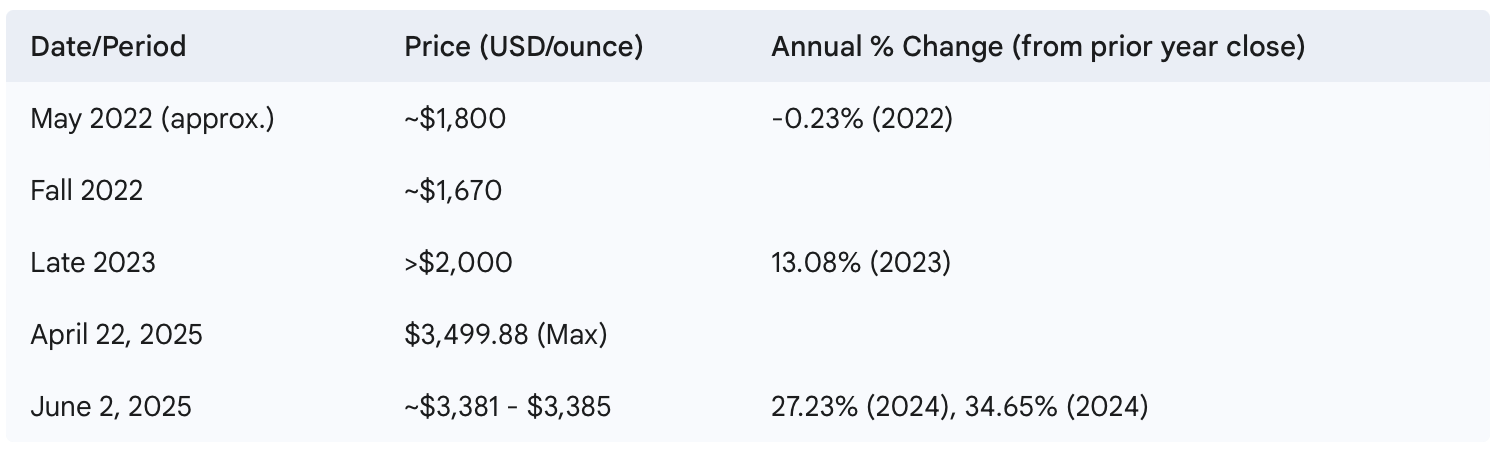
Gold Performance: Despite rising real rates, gold rallied from $1,670 (Fall 2022) to $3,499 peak (April 2025)—a 109% gain.
What Drives This Decoupling?
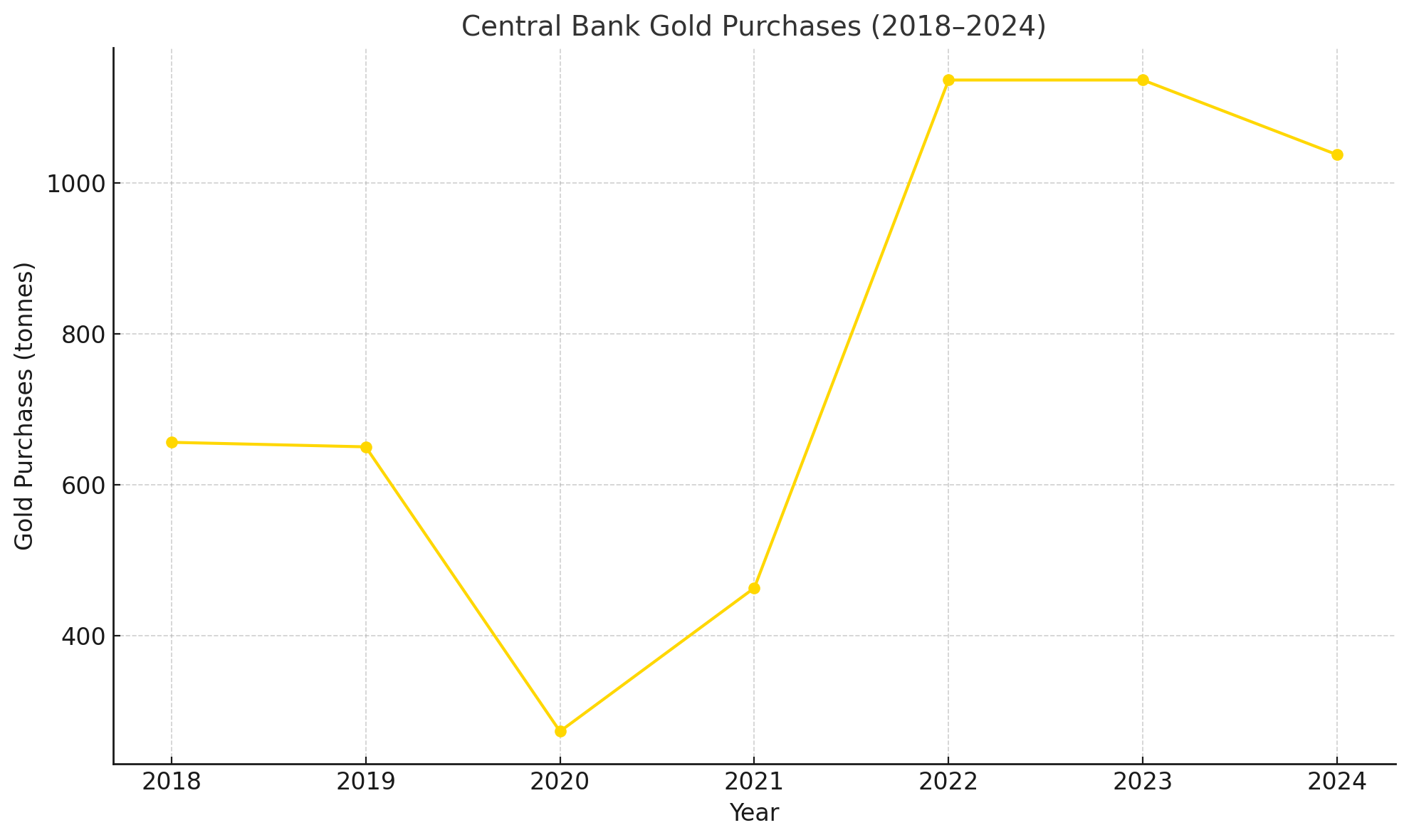
Central Bank Accumulation: Record official sector buying: 1,136 tonnes (2023) and 1,037 tonnes (2024). Central banks around the world are accumulating gold to diversify away from USD-denominated assets post-Ukraine sanctions.
Risk-Off Sentiment and Extravagant Central Banks: Russia-Ukraine conflict increased the risk premia and gold spiked 15% marking its bull run to $3500. Policy uncertainty, rising deficits, and extravagant money printing cause investors to look for hard assets. Gold is the best time tested commodity.
Hedging Instrument:Gold's -0.1 to -0.3 correlation with equities enhanced its diversification alpha, whereas bonds and equities correlation has shot higher up in the same period. This makes bonds a less attractive hedge for equity-heavy portfolios. Institutional demand for non-correlated assets.
Unusual concurrent strength in both gold and DXY, breaking the traditional inverse relationship. Safe-haven demand overwhelmed currency headwinds.
I am secularly long on hard assets, including gold and silver, this decade.